ABOUTUS

PhenoNet: 
Redefining Neurodegenerative Disease Treatment
Doctor Putting Eye Measurement
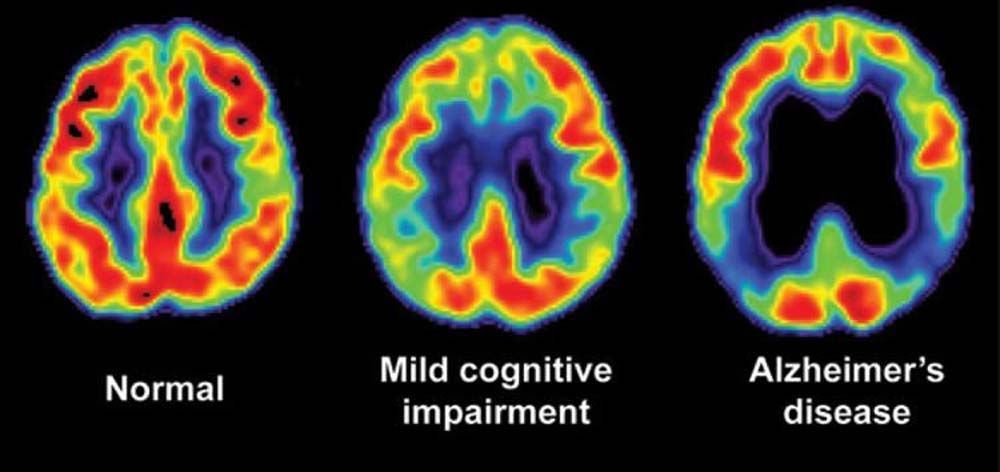
Founded in 2023, PhenoNet is advancing a pipeline of disease-modifying therapies for ALS, Alzheimer Disease, and related conditions. Our focus is on early intervention, patient profiling, and small-molecule treatments aimed at neuroinflammatory drivers of neurodegeneration.
PhenoNet: 
Redefining Neurodegenerative Disease Treatment

Doctor Putting Eye Measurement
Founded in 2023, PhenoNet is advancing a pipeline of disease-modifying therapies for ALS, Alzheimer Disease, and related conditions. Our focus is on early intervention, patient profiling, and small-molecule treatments aimed at neuroinflammatory drivers of neurodegeneration.
PhenoNet: 
Redefining Neurodegenerative Disease Treatment

Founded in 2023, PhenoNet is advancing a pipeline of disease-modifying therapies for ALS, Alzheimer Disease, and related conditions. Our focus is on early intervention, patient profiling, and small-molecule treatments aimed at neuroinflammatory drivers of neurodegeneration.

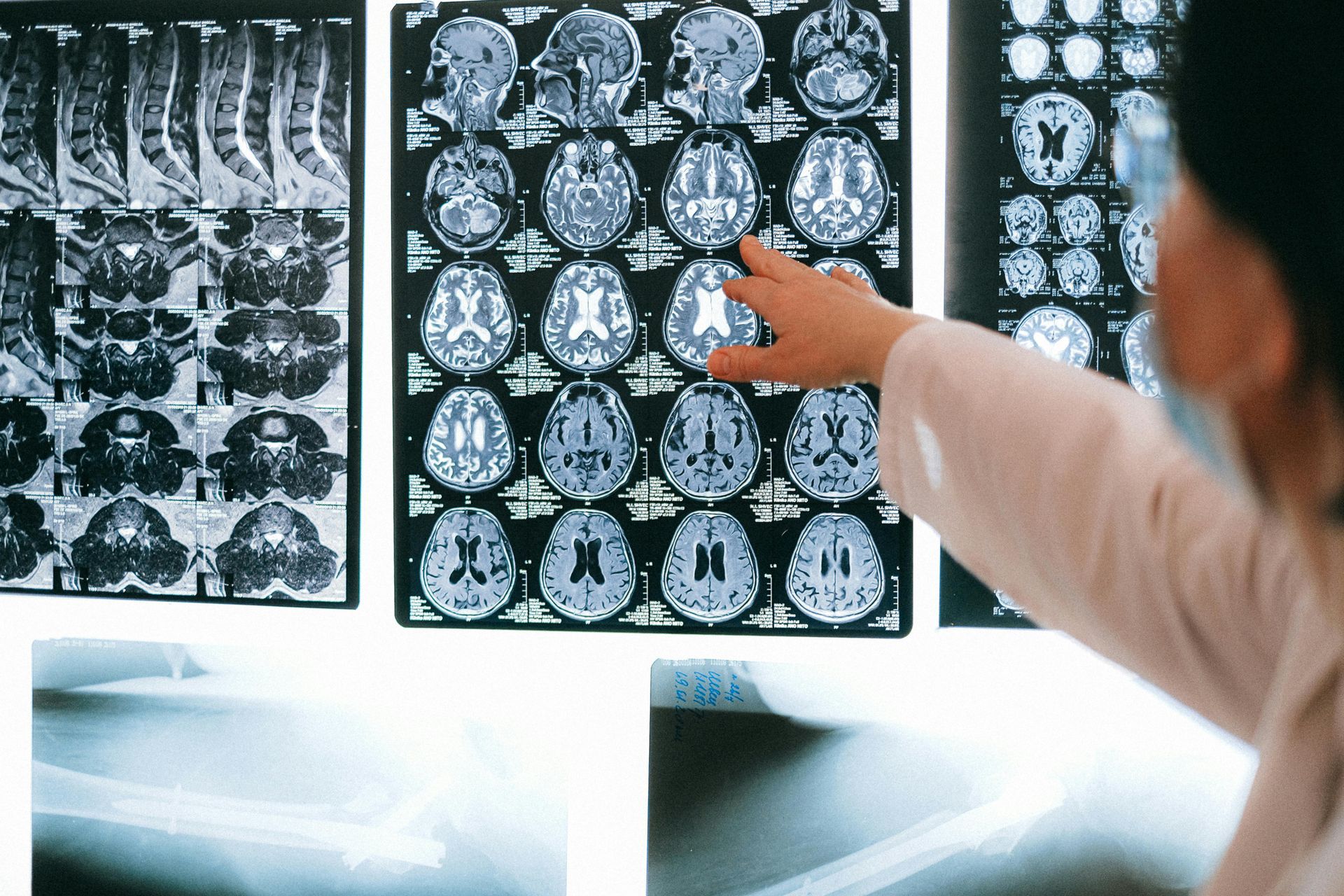
Although ALS and Alzheimer’s disease (AD) have distinct etiologies, both involve neuroinflammation. Cromolyn's efficacy in reducing inflammation in AD models further supports its potential in ALS treatment.
Girl Having Eye Check Up
 Our lead investigational compound, PHENOGENE-1A, previously approved for other indications, is now being repurposed as a potential treatment for neurodegenerative diseases. The compound demonstrates a multi-pronged mechanism of action:


Stabilizes mast cells and modulates immune response
Reduces proinflammatory cytokine and chemokine release
Inhibits β-amyloid (Aβ) aggregation
Suppresses neuroinflammatory fibrosis
Promotes neurite growth and synaptic function
Girl Having Eye Check Up
Our lead investigational compound, PHENOGENE-1A, previously approved for other indications, is now being repurposed as a potential treatment for neurodegenerative diseases. The compound demonstrates a multi-pronged mechanism of action:


Stabilizes mast cells and modulates immune response
Reduces proinflammatory cytokine and chemokine release
Inhibits β-amyloid (Aβ) aggregation
Suppresses neuroinflammatory fibrosis
Promotes neurite growth and synaptic function
PHENOGENE-1A:  
Our lead investigational compound, PHENOGENE-1A, previously approved for other indications, is now being repurposed as a potential treatment for neurodegenerative diseases. The compound demonstrates a multi-pronged mechanism of action:
  • Stabilizes mast cells and modulates immune response
  • Reduces proinflammatory cytokine and chemokine release
  • Inhibits β-amyloid (Aβ) aggregation
  • Suppresses neuroinflammatory fibrosis 
  • Promotes neurite growth and synaptic function 
PHENOGENE-1A is currently in a Phase IIB trial in patients with early to moderate ALS. A second Phase II trial is planned in patients with Alzheimer Disease’s patients—specifically evaluating outcomes in individuals without the APOE4 gene carrier, a key genetic risk factor in AD.

Beyond PHENOGENE-1A, we are expanding our pipeline to address other neurodegenerative diseases by inhibiting neuroinflammation and enhancing neuroprotection.

PHENOGENE-1A is currently in a Phase IIB trial in patients with early to moderate ALS. A second Phase II trial is planned in patients with Alzheimer Disease’s patients—specifically evaluating outcomes in individuals without the APOE4 gene carrier, a key genetic risk factor in AD.


Beyond PHENOGENE-1A, we are expanding our pipeline to address other neurodegenerative diseases by inhibiting neuroinflammation and enhancing neuroprotection.

PHENOGENE-1A is currently in a Phase IIB trial in patients with early to moderate ALS. A second Phase II trial is planned in patients with Alzheimer Disease’s patients—specifically evaluating outcomes in individuals without the APOE4 gene carrier, a key genetic risk factor in AD.


Beyond PHENOGENE-1A, we are expanding our pipeline to address other neurodegenerative diseases by inhibiting neuroinflammation and enhancing neuroprotection